Writing a fair exam question takes more work than choosing the correct answer.
You have to explain why it is correct, why the other choices do not fit, and whether the question gives someone enough information to make that distinction.
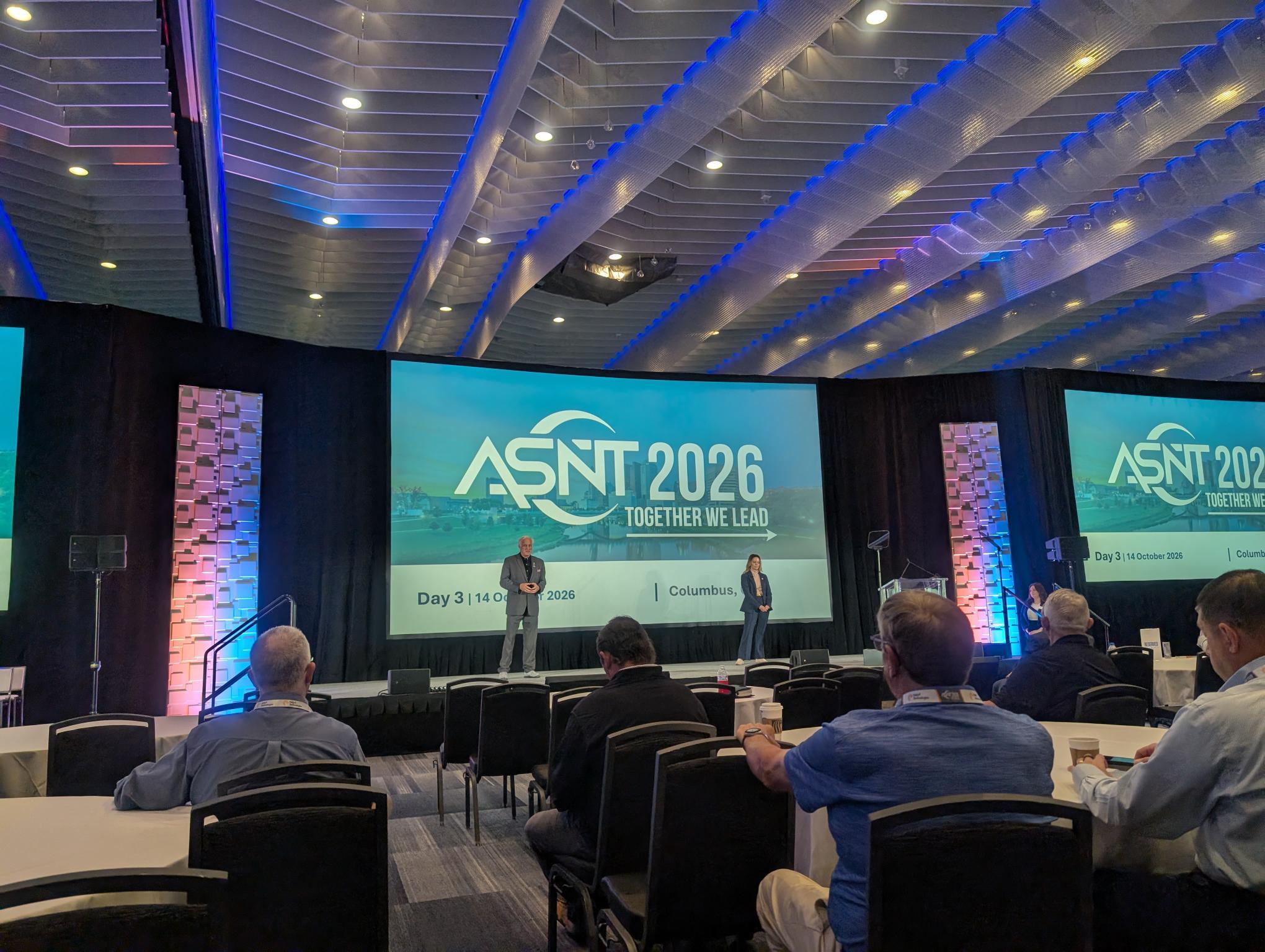
That was part of the work our Training Director, James Voorhees, took on during the ASNT exam-question writing workshop in Columbus. Developing proposed questions for Level III visual testing examinations was a useful reminder of how much careful thinking goes into a good assessment.
It also brought a useful question home to TXNDT: What does an answer tell us about the person giving it?
Last week, in Good NDT Instructors Still Take Notes, we wrote about bringing something useful back from ASNT 2026. The question-writing work gave us a practical example.
A question can sound clear until you try to defend the answer. You may find that it leaves out a condition that matters, or that another choice could also be right under a reasonable interpretation. Working through those problems means going back to the reference and being precise about what the question actually asks.
That care matters to the person taking the test. A fair assessment should give a knowledgeable candidate a clear opportunity to demonstrate understanding.
It matters to instructors, too. If an answer is difficult to explain clearly, the lesson behind it deserves another look.
Consider a training exercise where a student correctly names the NDT method being used. A useful follow-up is to ask why that method was selected for the material and the condition being investigated.
The first answer shows recognition. The explanation gives the instructor more to work with. Does the student understand the application? Can they identify a limitation? Do they know where to find the information they need?
The same approach can be used with a setup choice or an entry on an inspection report. Ask the learner to show what supports the decision. If the explanation becomes uncertain, there is something specific to work on.
This should feel like a useful conversation. Students need room to ask questions, check a reference, and correct a misunderstanding while an instructor is there to help.
Questions about competence and qualification also featured in the conference discussions that caught our attention. ASNT's SNT-TC-1A modernization initiative is examining how knowledge, skills, experience, and demonstrated performance should work together in employer-based qualification.
That work remains in development. ASNT has not announced an immediate change to SNT-TC-1A requirements through this initiative.
For us, the teaching question is useful right now: How well does an exercise show what someone understands and can do? Explaining a decision gives an instructor useful evidence. A practical demonstration gives another view. Both deserve careful attention when evaluating learning.
If you are comparing NDT classes, ask how you will practice applying the material and receive feedback. Ask what happens when you understand the definition but struggle with the exercise. Those answers can tell you a great deal about the learning experience.
Employers planning training can make the conversation more useful by describing the tasks their technicians need to perform. That gives the instructor a clearer understanding of where the learning needs to lead. Our Level III services also support employers working through their qualification programs.
The next step for TXNDT is to evaluate what we brought home and where it could improve our teaching. The exam-writing workshop offers a good place to start: look closely at the explanation behind the answer.
That is a habit worth carrying from the classroom into inspection work.
Planning your next step in NDT? Explore TXNDT's courses and class calendar to find training that fits your experience and goals.